The Round-Up is a collection of capsule reviews for new releases that filled up my notebook but never got a full dive and will miss my year-in-review.
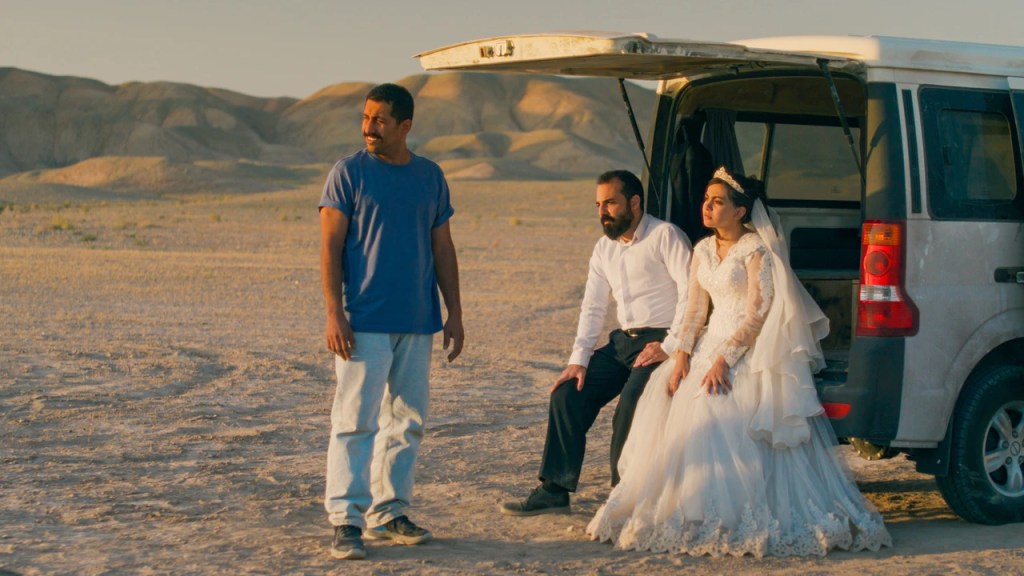
It Was Just an Accident (Jafar Panahi)
There was boisterous laughter at the Beyond Fest screening, which may in part simply be the vibe of the venue: a festival for cult genre films equipped with its own T-shirt cannon. But Panahi’s latest work of engagement/solidarity/protest does have a foot in genre cinema—in thrillers, in suspense hooks, in revenge fantasies—and since he was never ashamed of his cuddly side, it doesn’t reject laughter either. Its realism incorporates absurdism because absurdity is part of reality, and because, as Panahi said in the Q&A, you can’t go out and meet people without seeing something funny. At its best—the places where it first lights up—it evocatively renders a collective routine haunted by politics. In its weaker spots, it’s stuck for action or shows seams between movie-life and life-life; considering the awards it’s won or is up for, it’s rather slight. But then it hits you with two climaxes: an angry personal exorcism and one hell of an ambiguous ending. And the audience was dead silent for each.
✬✬✬✬✩
*****
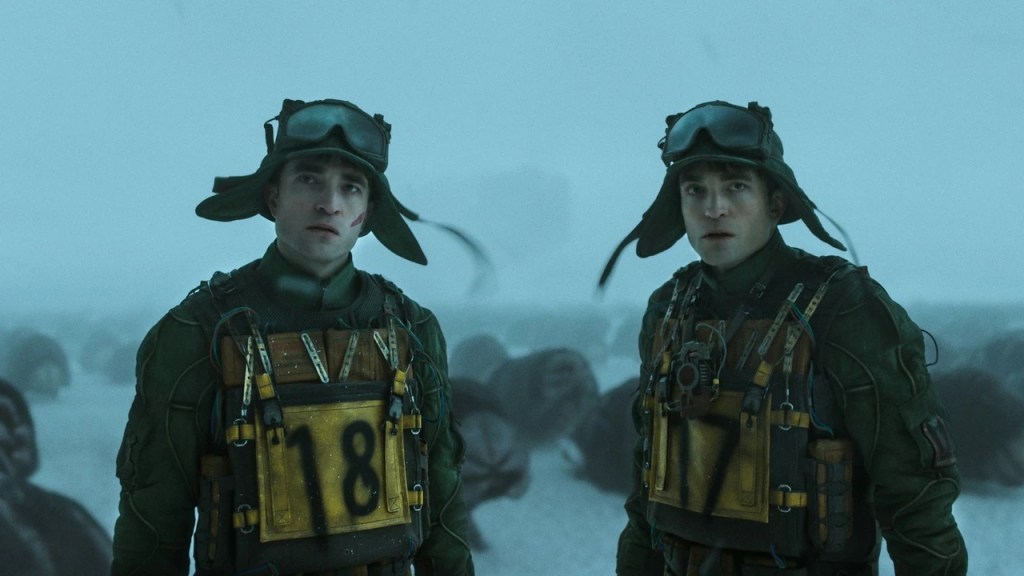
Mickey 17 (Bong Joon Ho)
If you’ve wondered how society can possibly be advancing into Star Trek and devolving into Mad Max at the same time, then Bong Joon Ho is the dystopian imagineer 2025 demands. But none of his US films feel as unfiltered as his Korean ones, and Mickey 17 is no exception. In its first half, it’s a resonant, tart, fiendishly unpredictable nightmare comedy. But where it ends up? I approve in theory of any vision that squeezes the nihilism of our time until something more hopeful comes out. But it’s hard to look at the cluttered shrug of the third act and be sure of a coherent vision at all.
✬✬✬✩✩
*****
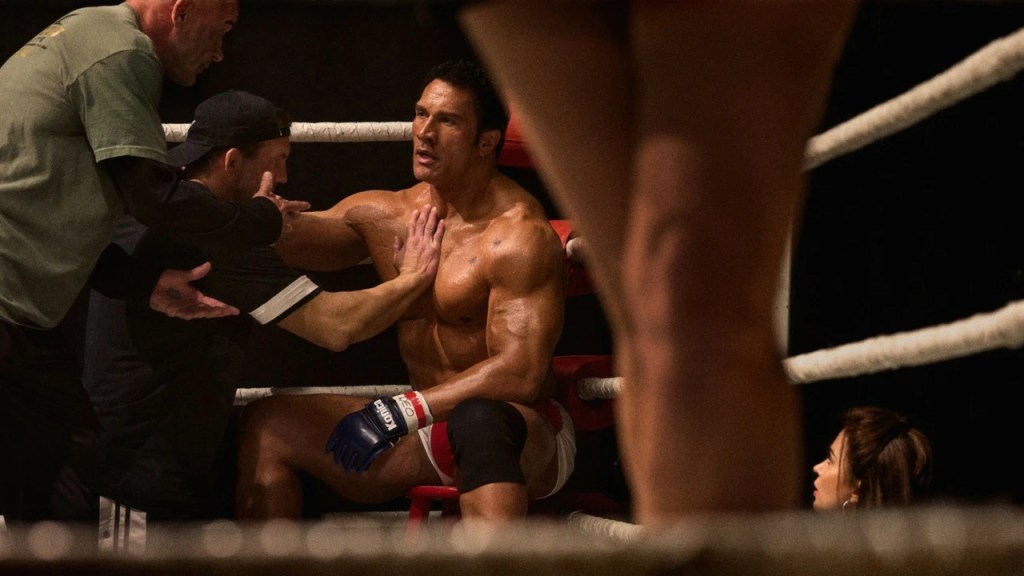
The Smashing Machine (Benny Safdie)
Televised macho bloodsport as the ladder of the American dream—maybe the metaphor is so fitting that by now it can’t help but seem a little obvious. But if you’re primed for the obvious, you may be surprised at how little interest the second half has in recreating Raging Bull or The Wrestler, and its texture alone is something different. To meet its potential, it would have to do more with/for Emily Blunt. But between Dwayne Johnson’s persona and facial prosthetics, his showcase comes off as a little kid wearing a muscle-man’s body as a costume. Which contextualizes their relationship just fine.
✬✬✬✬✩
*****
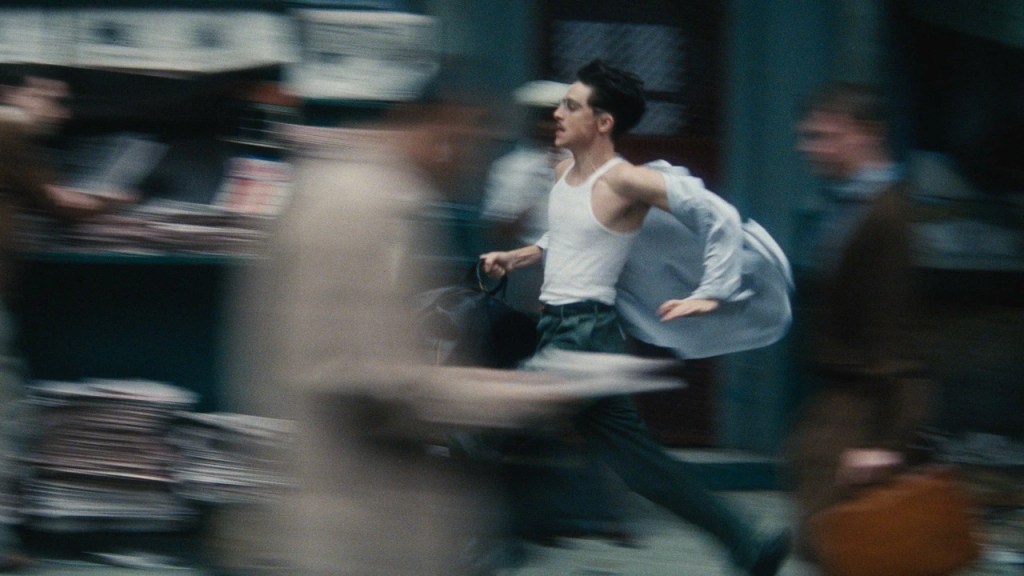
Marty Supreme (Josh Safdie)
Marty Mauser gets blurbed as “the Chosen One”, which makes him at least the third chosen one that Timothee Chalamet has played. It’s a better use of him than Dylan or Dune. Back in 2017, a friend joked that Chalamet owed his heartthrob status to being non-threatening. Well, he’s threatening now, and maybe always was—never underestimate the unholy terror of a theater kid’s will-to-power. Josh Safdie sees more truth than I do in unrelenting awfulness. But the momentum, catharsis, self-reflexive casting, and texture (50s production design, 80s music) combine to say something about American cultural dominance, and the out-groups jostling to be a part of it, at a time when that era is definitively ending.
✬✬✬✬✩
*****
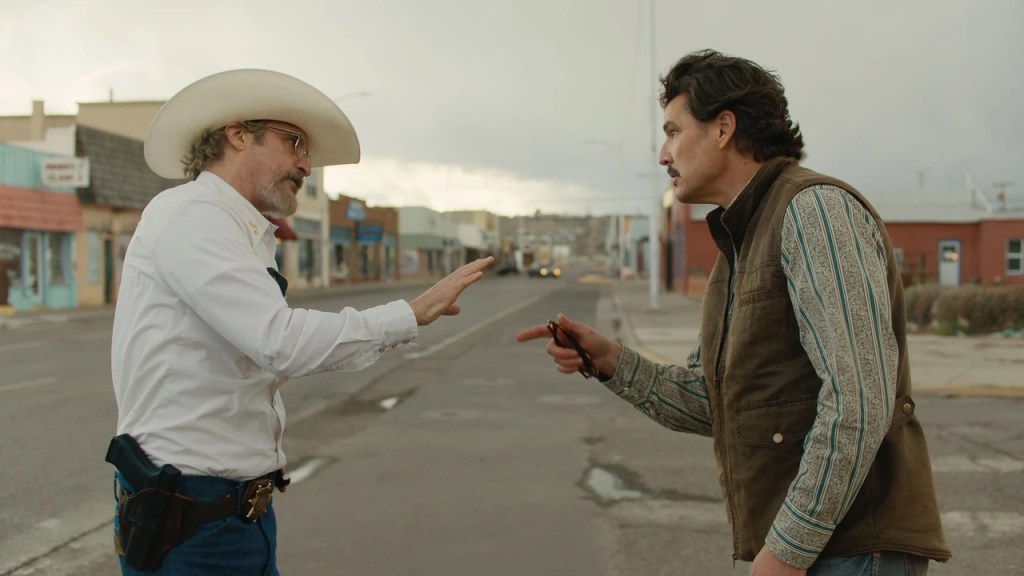
Eddington (Ari Aster)
If you haven’t made up your mind about Ari Aster, Eddington isn’t going to help, and that may actually be to its credit. Its satire of COVID-era America is often lazy, reactionary, or evasive; between its no-holds-barred posture and its visible calculations, its state of the union comes up with less than it offers, much the way Beau is Afraid ballooned to 3 hours on what was never much more than a stereotype about Jewish moms. But it stays unpredictable and gets thornier as it goes. And its ultimate points—that losing your mind is as American as apple pie, and tech companies were the only winners—come with a genuine emotional charge.
✬✬✬✩✩
*****
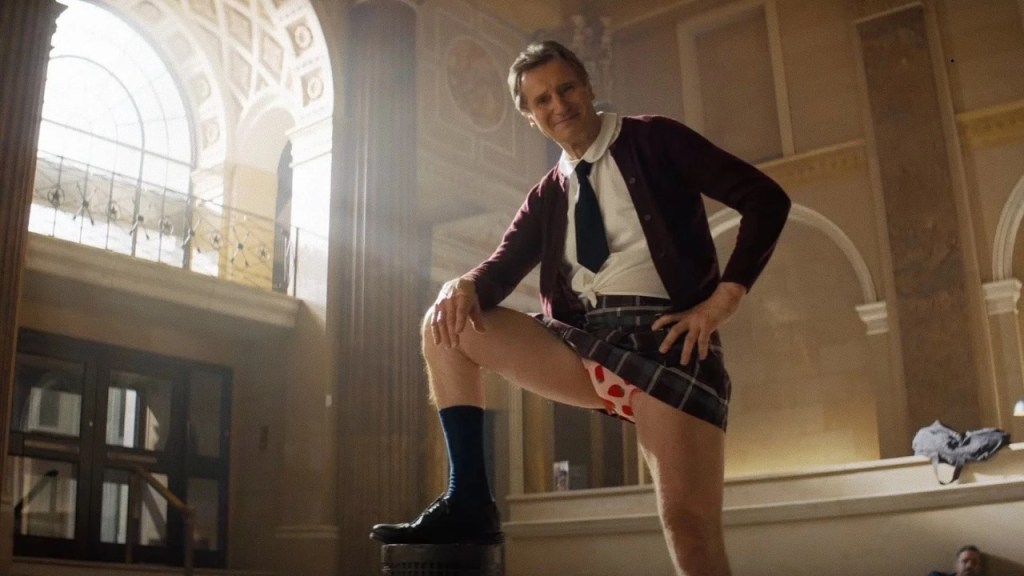
The Naked Gun (Akiva Schaffer)
I wouldn’t have guessed it back when we were regularly getting knockoffs like Spy Hard and Wrongfully Accused, but making a new Naked Gun in 2025 counts as idealistic. Such is the state of the mid-budget studio comedy, and however good living room tech gets, it can never replicate being part of an audience—not that one fully showed up for it. TV and the internet have since stolen the thunder of its style of humor, and the success rate of the gags here is far from 100%. Probably more like seventy-five. But it has routines, details, and little touches that make me as happy as anything did this year.
✬✬✬✬✩
*****
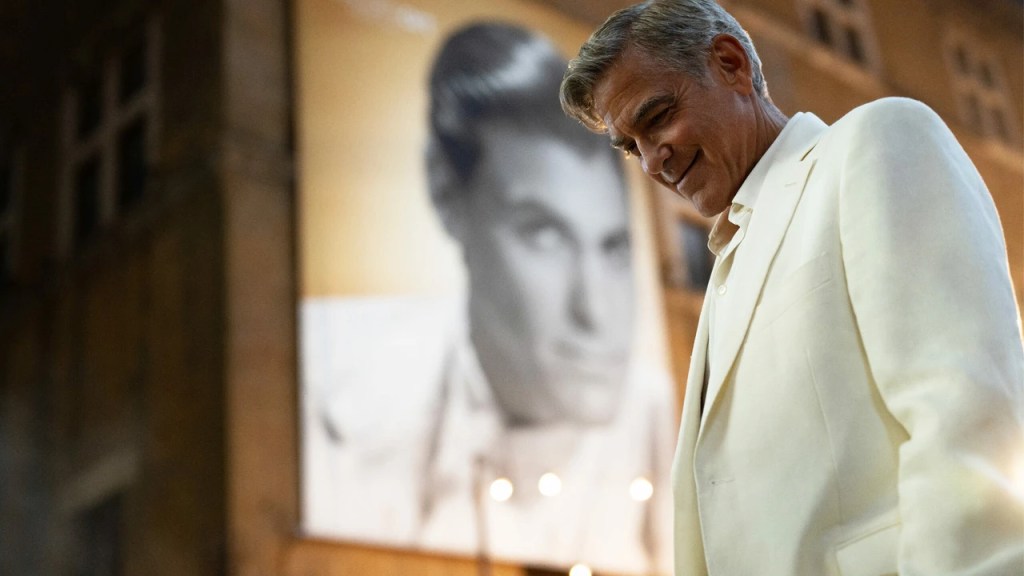
Jay Kelly (Noah Baumbach)
Even when it’s not explicitly fantastical, the film has an unreal sheen that counts as a real visual accomplishment. But “Noah Baumbach remakes 8 1/2” is as rarefied as it sounds, and I suspect whether its figures deserve an epic may depend on your tax bracket—or, more importantly, on whether you think recreating beats from La Dolce Vita and Stolen Kisses is refreshing or irksome. The good news is, Clooney’s charisma withstands navel-gazing. Sandler is terrific. The storytelling pulls off a few unpredictable twists. And it helps seal 2025 as a year for elegies about how old Gen X is getting.
✬✬✬✩✩
*****
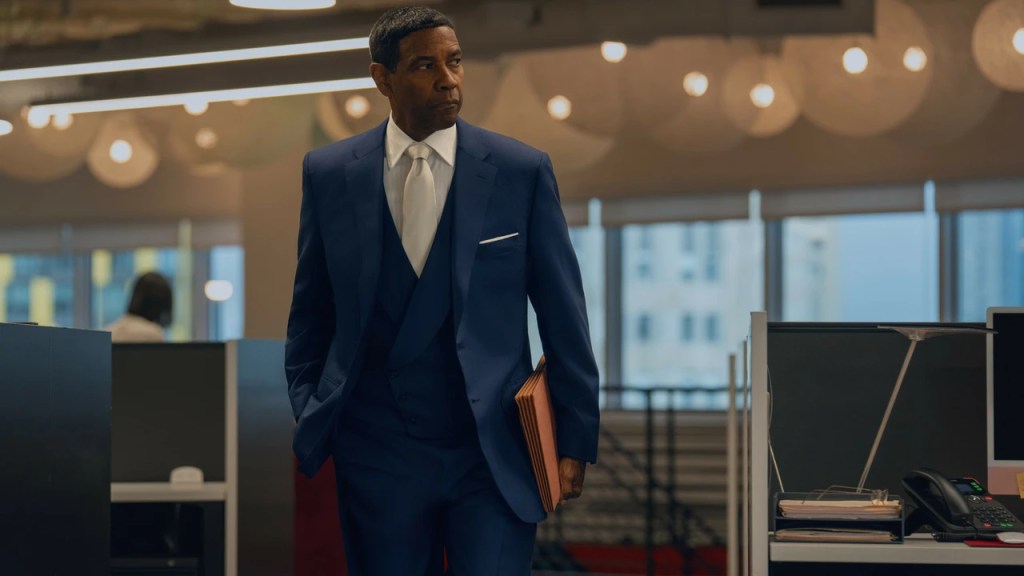
Highest 2 Lowest (Spike Lee)
High and Low comparisons were never going to do it any good, and as an adaptation, its new and old material smash together in ways that don’t always add up. The setup is ricketier, the kidnapper is a less pervasive presence, and the moral complexities are made simpler by being more explicit. But give it time to become a chase film, and it deserves to be seen as its own thing: an energetic thriller, a showcase for a great movie star, and a personal celebration/critique of black music. Bonus NYC love: the Puerto Rican Day action scene, and shouting “Boston sucks!” straight through the fourth wall.
✬✬✬✩✩
*****
Afternoons of Solitude (Albert Serra)
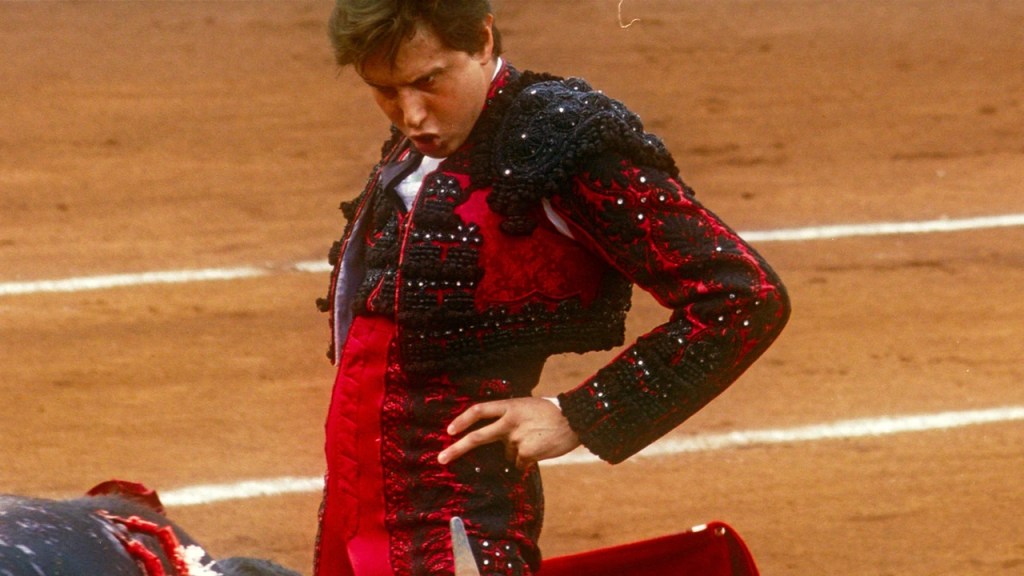
Albert Serra’s documentary is first and foremost a physical experience, hypnotic and grueling, where the meaning largely depends on what you bring to it. Spectacle, machismo, tradition, Catholicism, mankind’s sheer presumptuousness: thoughts on each have space to grow in the gulf between its brutality and the lack of any on-screen reflection. No one could accuse it of sentimentality or social commitment, and it’s as likely as not that Serra relates to his preening subject. But watch it, and apart from being hypnotized, you may get a sense that the camera is treating the matador the way the matador treats the bull.
✬✬✬✬✩
*****
Hamnet (Chloe Zhao)
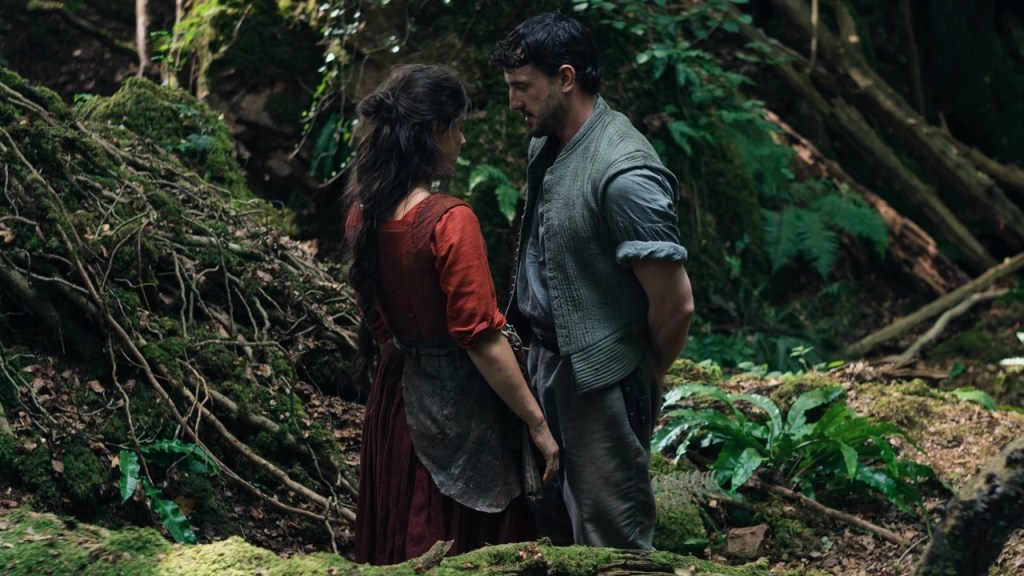
Pleasantly surprised at how little Shakespeare fan service there is—its “To be or not to be” is the only time it courts an eye roll, and most exposition about the Great Man’s career is left offstage. As for substance, there’s not a lot to it. Just enough for a lump in your throat and one afternoon of 10th grade English. But Zhao’s audiovisual brew is potent, and doesn’t leave an icky aftertaste. She knows how to evoke emotions, and she puts art, death, etc. in such a vividly naturalistic context that if you don’t have a theater sound system for the wind in the trees, you’re not really seeing it.
✬✬✬✬✩
*****
 The Perpetual Present