The Round-Up is a collection of capsule reviews for new releases that filled up my notebook but never got a full dive and will miss my year-in-review.
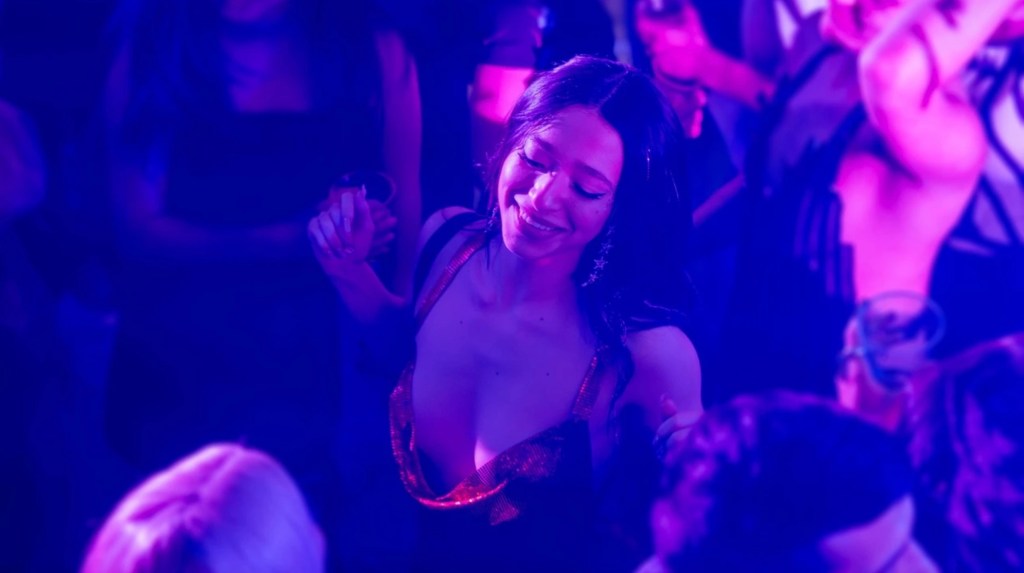
Anora (Sean Baker)
Last year, few pitches were more enticing than a fusion of 30s Hollywood and 70s Hollywood. From the former, Anora takes a screwball romance and a view of obscene wealth that’s somewhere between satire and fairytale. From the latter, it gets grit, carnality, disillusionment. And for the first hour or so, it just might be the best filmmaking of 2024—a year which Baker can claim without any deference to the 30s or the 70s or any time but his own. But the turn it takes halfway is a hazard. The screen becomes busier (more action! more comedy!) while most of what’s compelling about the film slows down. And the last scene, truthful though its point may be, leaves an odd aftertaste. It’s the least explicit sex scene in a film that’s not exactly shy. But for the first time, it feels like an exploitation artist is jerking a response.
✬✬✬✬✩
*****
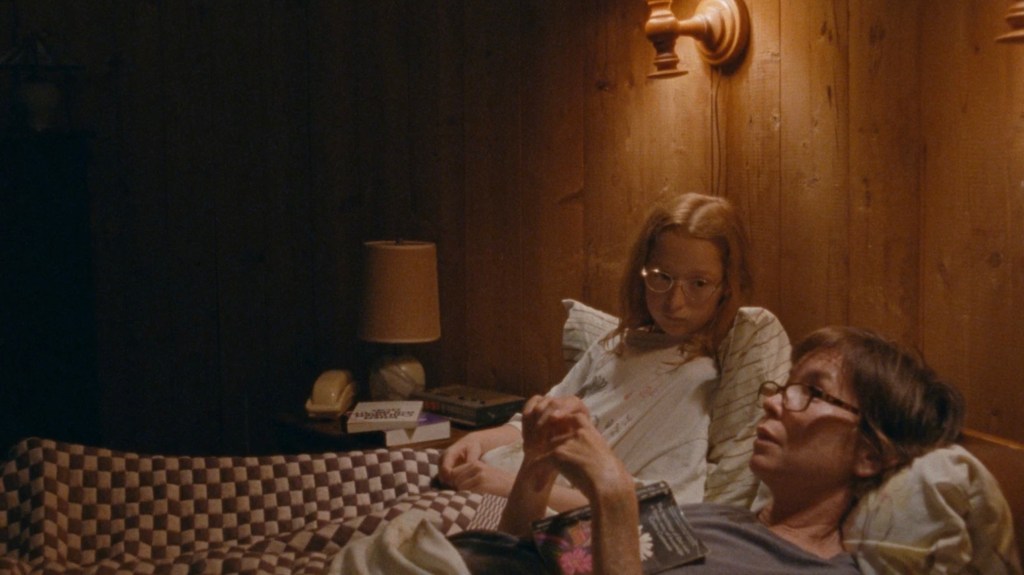
Janet Planet (Annie Baker)
At the height of Oscar season, with showy, fussy performances coming out of the woodwork, one of 2024’s best films is a reminder that acting can be so unaffected that it hardly seems like acting. This kooky coming-of-age photo album—Lady Bird on the set of The Wicker Man?—has warmth enough to suggest that no American is too far removed from its unconventional design for living, or some equivalent. It finds an askew but organic visual scheme to match its subjects. It’s smart enough not to get too explicit about its point; like its heroine, the viewer is just dropped in and invited to observe. And if it’s a lot like Aftersun but not quite as potent, it also ends where Aftersun should have.
✬✬✬✬✩
*****
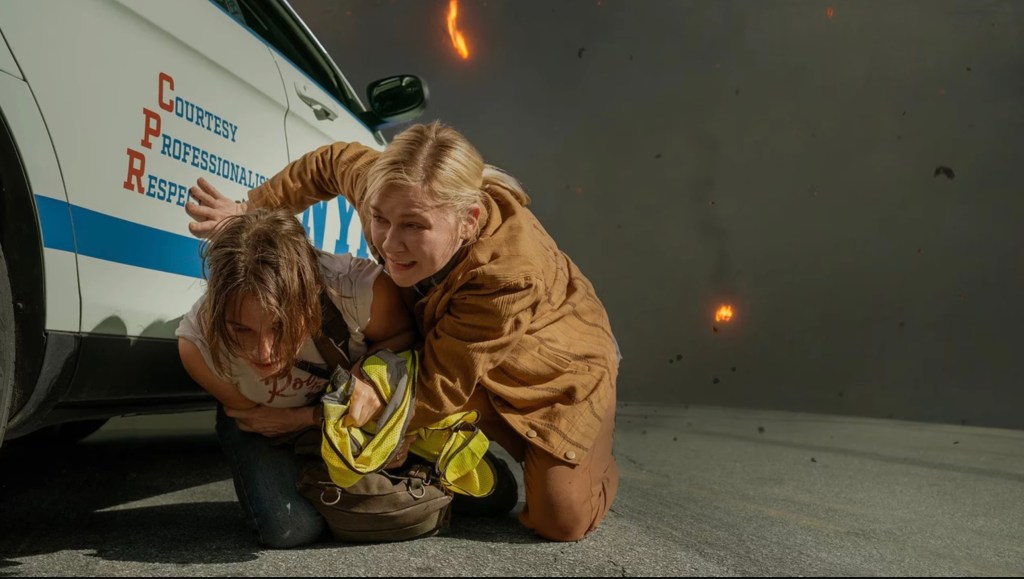
Civil War (Alex Garland)
The dissonance was there in the marketing: trailers that hawked a terrifying premonition of our not-too-distant future, while also promising the “best combat ever”. I was curious if it was as crass and exploitative as all that, and sure enough it starts producing irritants within the first minute. But when it zooms in on its characters and focuses on the role of media image-makers during civil unrest, it’s not bad and pretty interesting—possibly even self-aware about its own cold technical expertise. When it tries to rattle you with half-assed speculative fiction, it really is rather vapid. God help the needle drops.
✬✬✬✩✩
*****
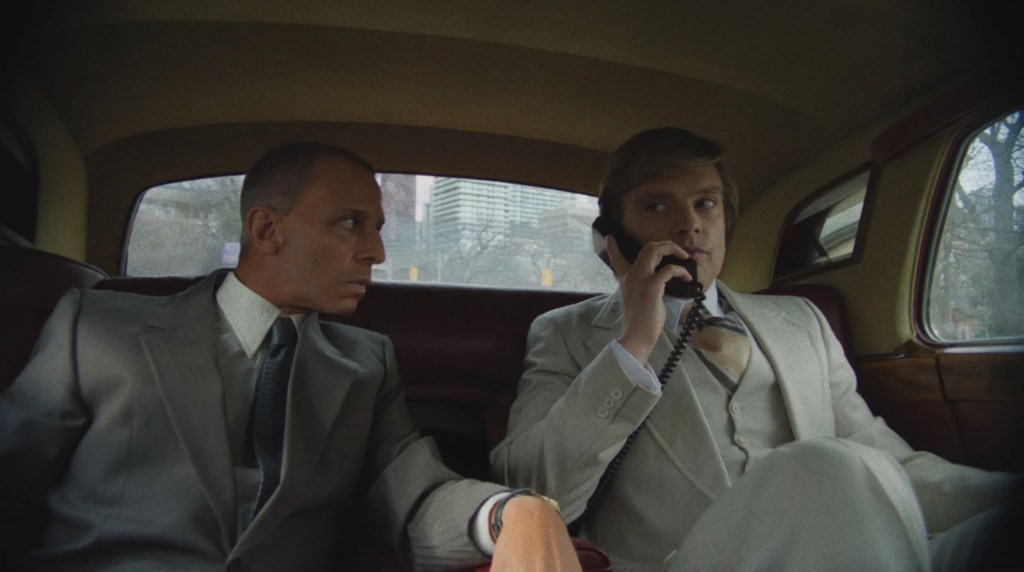
The Apprentice (Ali Abbasi)
To some extent, any dramatization was bound to fizzle for the same reason Ron DeSantis did: Trump has an authentic mania that can’t be faked. Still, even if taken as a foolhardy big swing, it’s hard to say what Abbasi’s film is trying to accomplish. Certainly there’s value in examining Trump’s origins; it helps show the method to the madness for anyone who’s wondered if the unhinged tweets and election denialism are a thought-out strategy. But its insights are cursory, and doused in cartoon sarcasm. Which it seems to think is new news—and thus carries itself with the swagger of unearned scandal.
✬✬✩✩✩
*****
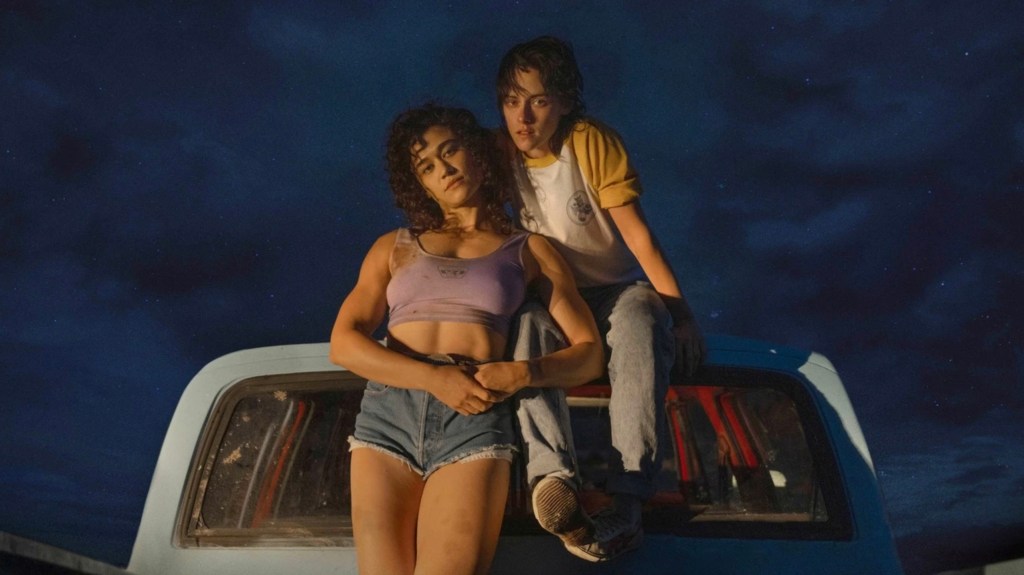
Love Lies Bleeding (Rose Glass)
John Waters’s favorite film of 2024, and he’s not trolling: this neo-drive-in noir about self-described “muscle chicks” in a frenzy of steroids, gay sex, and murder has more cinematic energy and redeeming social value than most of this year’s Oscar nominees. So you can tease out its topsy-turvy gender pandemonium, and the way its heroines have to adopt the right amount of masculinity to neither take shit nor turn into monsters. Or you can hold on to the year’s most unpredictable thriller. For John Waters, do both. Even if its climactic big swing is either too insane or just insane enough. Not sure myself.
✬✬✬✬✩
*****
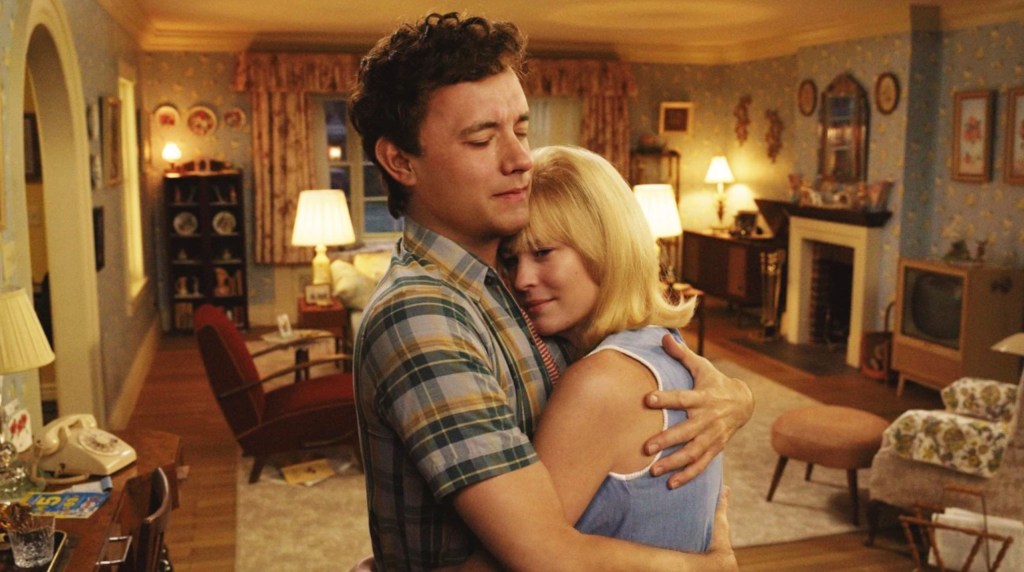
Here (Robert Zemeckis)
Considering the built-in limitations of its gimmick, this has dazzling spectacle and artful staging from the start. Splitting the difference between academic and sentimental, and not a home run as either, it telegraphs its beats shamelessly and may leave you with the glum feeling that it’s impossible to live, love, or lose in any way that isn’t a total cliche. But it’s neither insincere nor vapid, and don’t mistake it for tidy. By the time Alan Silvestri is ladling on the final syrup, it’s up for debate whether it’s a heartwarming family story, a bleak catalog of problems we’ll never fix, or a surrender to quintessentially American maladies. Probably all of the above. And an inventive use of new tech to boot. One in which you can sense a team engaging with the pros and cons and getting genuinely energized by the possibilities.
✬✬✬✬✩
*****
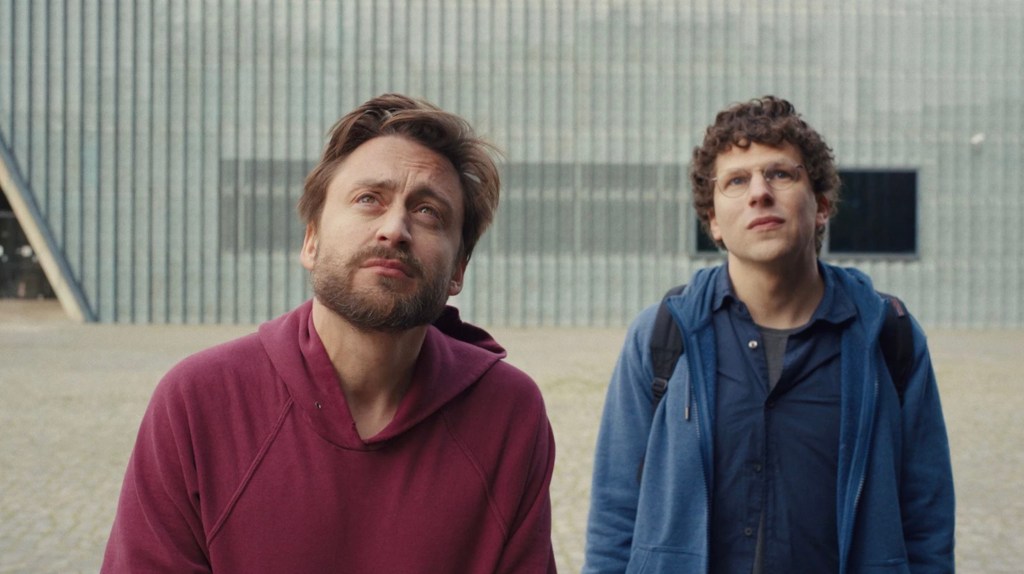
A Real Pain (Jesse Eisenberg)
The comically uptight and the comically irresponsible—the archetypes still work, and always will. Especially if you have Eisenberg (uptight in his sleep), and Culkin, who has strong Oscar odds due to a terrific performance, an established body of work, and good old-fashioned category fraud. (He’s a co-lead, and don’t let the Academy tell you otherwise). Granted, their odd-couple act may simple hit a plateau and hang there. But themes are invited to hang with it: American identity, the Holocaust/antisemitism from a third-generation perspective, and comedy as a defense mechanism for both individuals and a group. Cheers to an ending that, while appearing almost bathetically simple, has thorny, free-floating implications for all of the above.
✬✬✬✬✩
*****
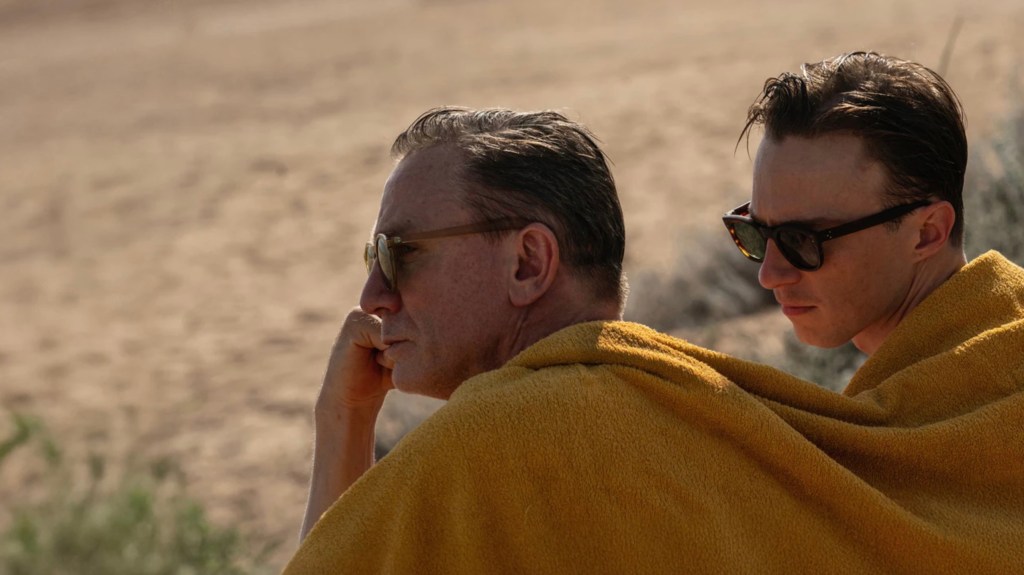
Queer (Luca Guadagnino)
Daniel Craig must have the most interesting post-Bond career of any former 007—no one else even comes close. Still, I can see why Queer had a hard time generating urgency at the box office and with the Academy. Its first half is weighed down, and in a sure sign of social progress, a Hollywood star doing explicit gay sex scenes isn’t the scandal it was in the days of Brokeback Mountain. But Queer is lived-in where Brokeback felt play-acted, and its aesthetic vividly renders gay outlawry as both a colorful wonderland and an exile to the gutter. A mixed bag in total, but Craig is deeply moving. Love is a drug.
✬✬✬✬✩
*****
A Complete Unknown (James Mangold)
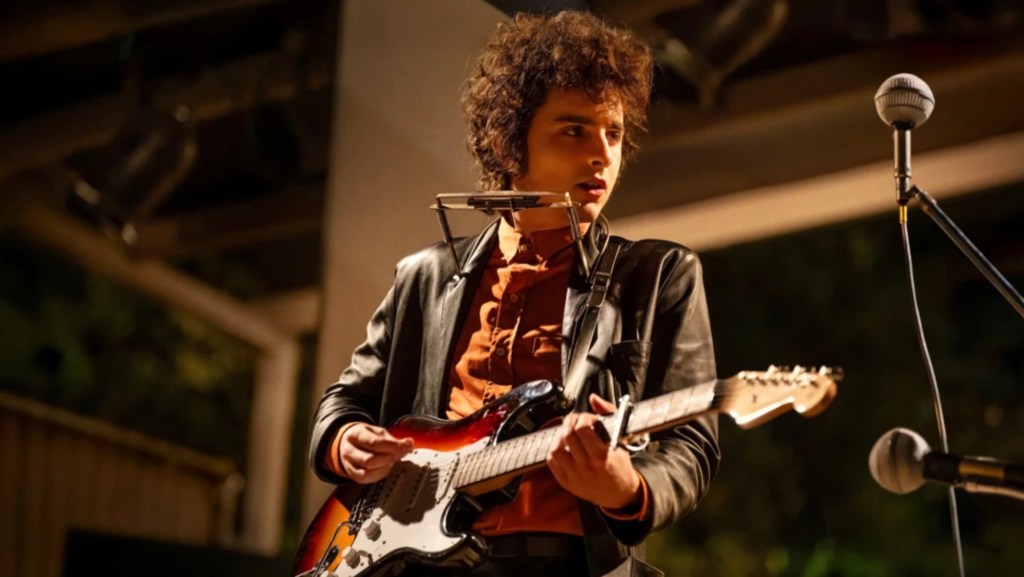
As a skeptic of both musician biopics and Timothee Chalamet, the first half brought down my defenses and the second put them back up. The opening act finds a nice tension between the normal biopic grammar (witnesses standing agape at a Great Man) and unease at the Great Man’s careerism. It’s at its best, and its most complex, when dangling his sincerity as a question mark even as it turns the concert hall spotlight into a halo. But it still winds up conventional print-the-legend stuff in the end, neither factual nor particularly imaginative, just a glossy diorama touched by Bohemian Rhapsody-isms that were unbecomingly corny of Queen—a band where corn was always the point. And compared to I’m Not There, it’s not only formulaic/pious, but politically absent-minded.
✬✬✬✩✩
*****
Conclave (Edward Berger)
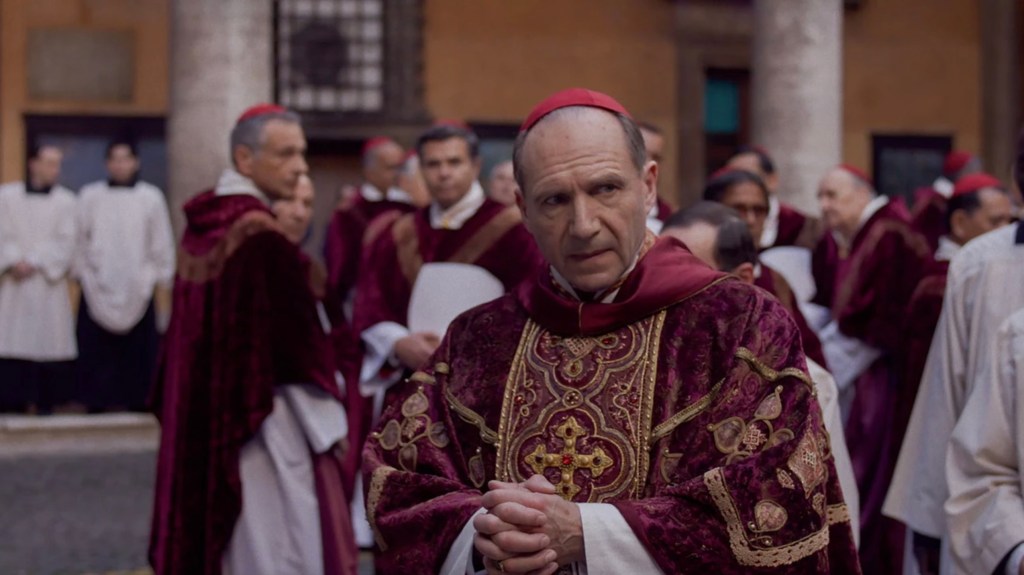
Considering that Conclave‘s subjects include the sins of Catholic leadership and what role the church should play in the political climate of 2024, the fact that it’s caused less of a stir than The Da Vinci Code makes me wonder if its key line comes when one cardinal tells another, “The trick is to offend no one.” That is, it generates more smoke than fire. But you get a crackling procedural, full of intrigue and fine acting, and at least one genuinely cinematic idea: the way the outside world is implied but never shown. Its final twist is indeed a lot. But it certainly risks offending someone—possibly multiple someones, for multiple reasons. And it justifies the final shot.
✬✬✬✩✩
*****
 The Perpetual Present