The Round-Up is a collection of capsule reviews for new releases that filled up my notebook but never got a full dive and will miss my year-in-review. This batch goes to (some of) 2024’s horror films—the genre where what take seriously and what you greet with irony are most likely meet a contemporary audience where they live.
The Substance (Coralie Fargeat)
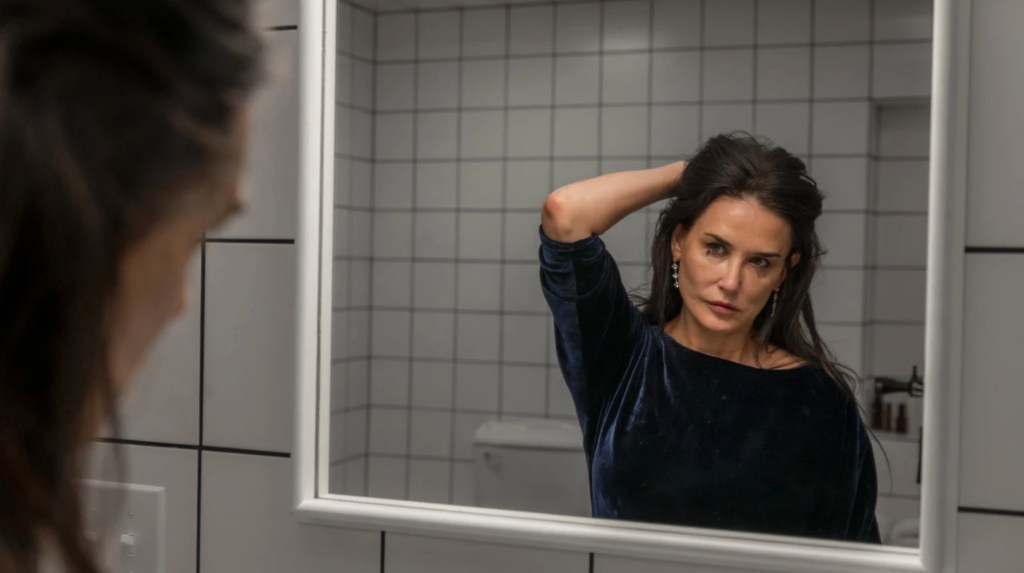
Weak stomach that I have, I can only account for when I dared to look, which I’d estimate at about 80-90%. But just because The Substance has the least subtle editing of 2024 doesn’t mean it can’t have fun—or find subtleties—in beating a metaphor into the ground. And a worthy metaphor it is: the “you are one” concept of the same biology belonging to the young self and old self, the public and the private, the side that feels empowered by being looked at and the side worn down by it. Grant that the rules of horror, parody, and Angeleno solipsism allow for everyone other than the heroine to be a caricature, and the act of looking becomes a character unto itself. The Substance sends up a sexual gaze but won’t deny its fascination. It’s about women looking at themselves as much as men looking at women. (That men are ridiculous and shallow is less Fargeat’s conclusion than her jumping-off point). Its production design turns the bathroom—that place of hygiene, maintenance, and beautification—into an Orwellian torture chamber. And if its nods to Kubrick are just fandom, its Hitchcock quotations mean something.
✬✬✬✬✩
*****
Chime (Kiyoshi Kurosawa)
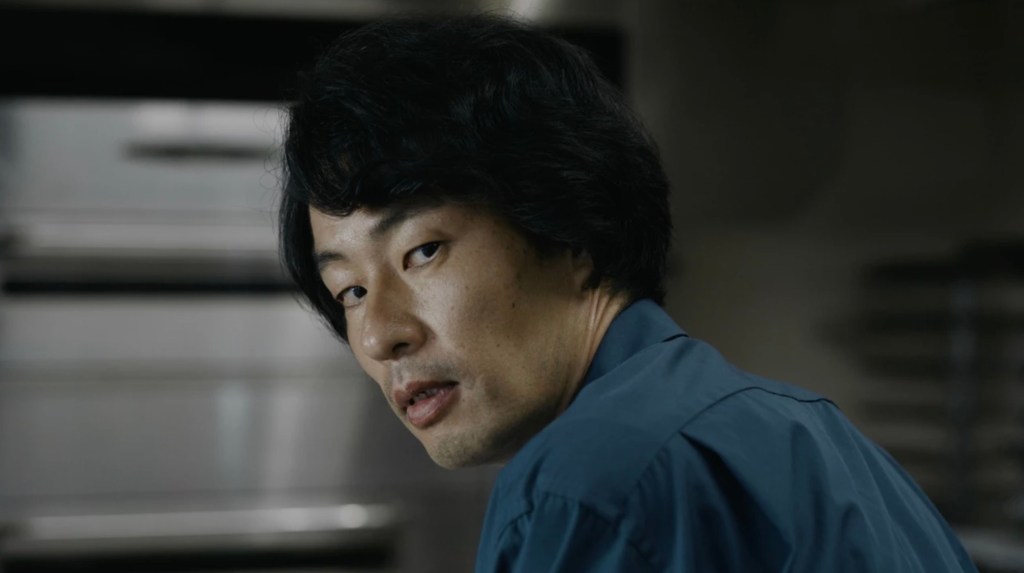
Kiyoshi Kurosawa is back in horror mode after the pandemic, and there may be no director better at probing how insanity is contagious. Chime neither as rich as Cure nor as prophetic as Pulse. But it’s as aesthetically forceful as either of them, and arguably more visceral. Certainly, it’s just as in tune with the idea that a plague of madness can only unlock what was already there to begin with. And its final stylistic pivot opens an untidy world of interpretation. Since it was originally released as an NFT, many thanks to Beyond Fest in LA for making it available to people who want nothing to do with them.
✬✬✬✬✩
*****
Nosferatu (Robert Eggers)
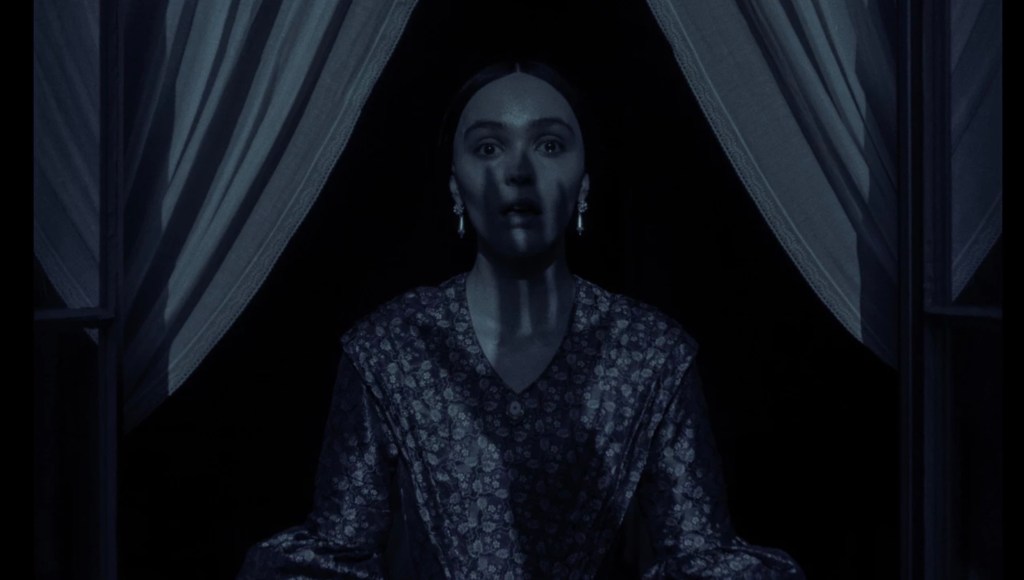
For the tale at its most elemental and suggestive, there’s Murnau. To hone in on the theme of mortality, there’s Herzog. For the baroque extravaganza, there’s Coppola. What does Eggers add? His fetishistic notion of authenticity—a distraction as often as not. And greatly expanding the role of the Lily-Rose Depp character, even if the new material and the old material aren’t quite seamless. But the effort Eggers puts into choreographing shots pays off elegantly, sometimes rapturously, at a time when so many super-productions barely try. And it’ll make fine thesis material on how the sexual anxiety of the horror genre has gone from Victorian repression to post-repression trauma. Somehow, the most recent telling might be the most puritanical.
✬✬✬✩✩
*****

The First Omen (Arkasha Stevenson)
“The miracle of life can be a messy business”—not exactly a new theme in horror, but unless human anatomy fundamentally changes, it’s one that will always resonate in the right hands. That principle goes for The First Omen as a whole. Almost none of it is new, and it bows reverently before its ancestors: not just The Omen, but Rosemary’s Baby, 70s gialli, and Possession. But it does right by them, with dramatic and atmospheric command such that the shocks shock and the build-up might be even worse. Even the twist (easy to see coming) still flies because it’s grounded in a theme. And thankfully, they pass up the chance to recreate a CGI Gregory Peck.
✬✬✬✬✩
*****
Trap (M. Night Shyamalan)
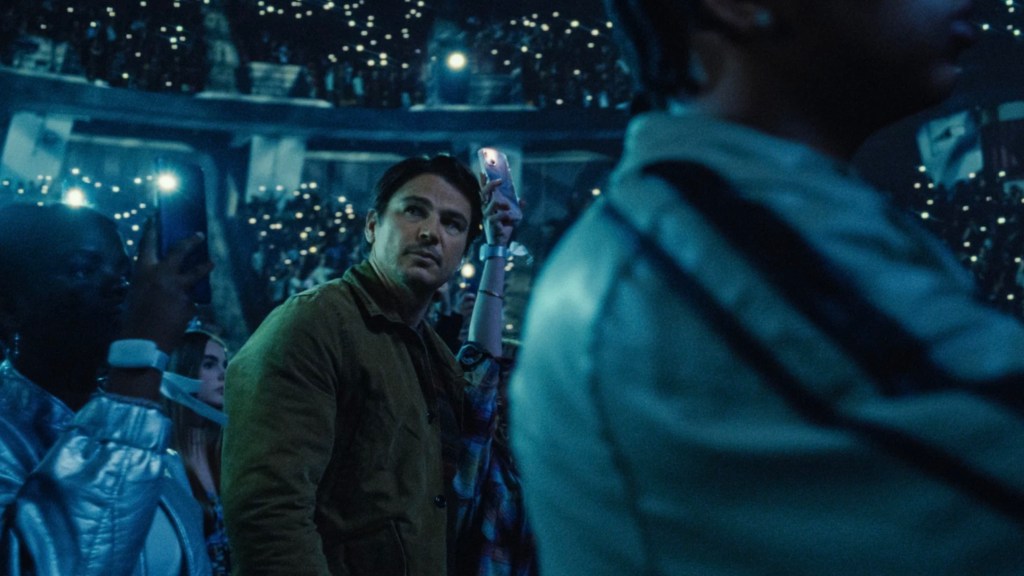
The opening act cheekily suggests that a dorky dad at a Gen-Z concert is so out of place he might as well be a hunted criminal. And if M. Night casting himself as a Christ figure in Lady in the Water was cringe, saying “to me, my daughter is Taylor Swift” is a meta touch whose sweetness I can get behind. Human interaction still seems ported from another dimension—its combination of wacky and soulful a language only Night-heads speak—and the third act is a mess as either plot or metaphor. But its quirks are also what power its humor and unpredictability. It has thematic resonance, it has cinematic ideas. Compared to Inside Out 2 or Deadpool & Wolverine—2024’s biggest hits—I not only respect it more, I had more fun.
✬✬✬✩✩
*****
Alien: Romulus (Fede Alvarez)
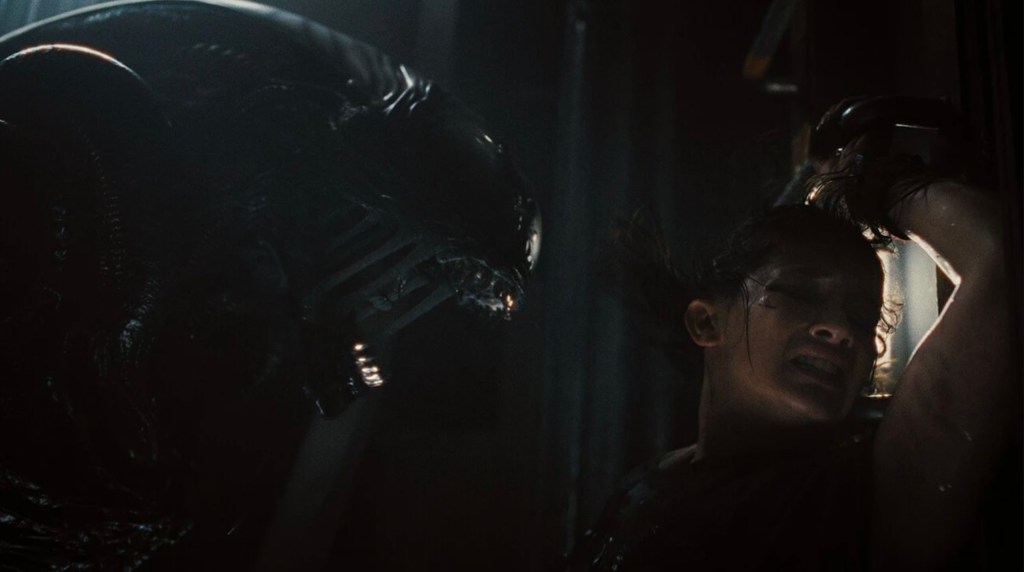
Kind of a perfect but by no means unique representative of our current era of legacy franchise professionalism. It got some artful pizzazz when it does its own thing: the direction is strong, there’s an interesting subtext around David Jonsson’s android character, and Cailee Spaeny is a fine addition to the pantheon of heroines who won’t take shit from Xenomorphs. But as long as it’s so beholden to the look, beats, musical themes, direct quotations, and even the credit font of original—not to mention torn in half trying to coherently tie it into the prequels—it’s the first real Alien film to never feel like an act of exploration or expansion.
✬✬✩✩✩
*****
 The Perpetual Present