Back in July, with the “Barbenheimer” phenomenon clear on the horizon but yet to make landfall, the New Yorker ran a profile on Mattel’s hopes for a cinematic universe, and a quote from Greta Gerwig’s agent jumped out. “Greta and I have been very consciously constructing a career,” her agent said. “Her ambition is to be not the biggest woman director, but a big studio director.”
It was chum in already bloody waters for discourse about what we expect from filmmakers today. And it begged the question why the term “big studio director” (their italics, not mine) would cause such an allergic reaction. For one, it’s not as if Lady Bird and Little Women—two films I adore—were radical micro-budget rejections of the mainstream, their virtues irreplicable if you sign with Warner Bros. And for another, cinephile culture never tires of evaluating and reclaiming even the most obscure projects that “big studio directors” like Ford, Hitchcock, Spielberg, etc., ever signed.
So perhaps the best answer was provided by Variety critic Guy Lodge, who suggested that the knee-jerk response wasn’t to the scale of Gerwig’s ambition, but to the fact that, in our current era, “big studio director” is a much narrower job description than it used to be. In the 21st century, is a big studio director just someone to add flavor to a preexisting franchise that would largely be the same no matter what? Are they a temporary steward of someone else’s valuable IP?
Though it will be trivia by this time next year, if not already, an unexpected use of intellectual property was the oddball Hollywood trend of early 2023. Last year introduced itself as the year of the “brand biopic”, with studios offering up the true (or “true”) stories behind Air Jordans, BlackBerries, Tetris, and Flamin’ Hot Cheetos all within a span of a few months. I don’t attribute it to anything more than coincidence, but it was enough to feed commentary about the sign of the times, with audiences as consumers and products as our protagonists. And in that respect, Barbie represented a culmination that was artistic as well as commercial. After all, if the subject of Gerwig’s film is childhood expectations hitting a wall of adult experience—and why not? a male-centered version of that idea has been Wes Anderson’s hobbyhorse for the last 25 years—then doesn’t the consumer baggage baked into the Barbie brand represent not a compromise, but an opportunity? At least if done right?
So because it misses my top 10, a brief word about the biggest hit of 2023—but by no means an attempt to have the last one. You have to go back to American Sniper, of all films, to find a time when a year’s box office champ was such a hydra of discourse. For what it’s worth, Richard Brody called Barbie better than Kubrick, or at least better than 2001: A Space Odyssey. The clerk at the video store down the street from me called it a disingenuous way to revitalize a toy line with lip service to contemporary politics. Where you fall in that continuum is up to you. For my money, it’s the least and the messiest of Gerwig’s solo-directed features; it says too much directly that it should trust an audience to figure out on their own, and it does so with an arch, is-it-cynical? wink that’s no substitute for her observational warmth.
But the lines that it drew among critics, and why, could surprise you. And the fact that Richard Brody—not to mention Jonathan Rosenbaum—came out swinging heavily in the pro-Barbie camp is heartening to me either way. Here, at last, was a nine-figure Hollywood juggernaut with enough life and novelty in its aesthetics and ideological intent to be worth asking esteemed old-school Godardians to weigh in at all. (Its closest box office competition was The Super Mario Bros. Movie, a pleasant, colorful film about which there’s nothing interesting to say, except that it was the one movie I saw during the WGA strike where it really does feel like artificial intelligence could be trained to write it).
So is Barbie an uncommonly daffy mega-budget project from an ascendent filmmaker with cinephile cred and something to say? Yes. Is it a carefully modulated IP love-fest in which a Gen Z skeptic learns to stop worrying and love the brand? Also yes. And I don’t think either half of that identity would have become a billion dollar movie phenomenon on its own. So in a flush but chaotic time for film—a year of historic strikes and AI concerns; when it got harder to fall back on “what works”; when even Marvel drastically underperformed; when Warner Bros. was canning films for the tax write-off; when Swifties and Sound of Freedom culture warriors routed tentpoles like Mission: Impossible, Transformers, The Fast and the Furious, Indiana Jones, Pixar, and what’s left of the Justice League—Gerwig’s film is a lesson in just how much the two sides can get out of one another. I’m already curious to see her upcoming take on Narnia, which calls for the storybook sincerity of Little Women at a Barbie scale.
As for his part in the summer’s big event, Christopher Nolan, generally fatalistic on-screen, took an optimistic tack about the future of studio filmmaking. “I’ve just made a three-hour film about Robert Oppenheimer, which is R-rated and half in black-and-white, and it made a billion dollars,” he said in an interview. “Of course I think films are doing great.” In his native UK, it’s even his highest-grossing film, Batman be damned.
Nolan is expected to win big at the Oscars tonight, and from the pinnacle of a press junket has encouraged people to see the success of films like Barbie and Oppenheimer as reasons not to forget an audience’s desire “to be surprised…to see something they did not know they wanted.” God knows if that’s the lesson that was received, and if so, whether it will last. 2023 certainly offers plenty of dollars-and-cents arguments to the contrary.
Still, it’s hard to be cynical on what’s undoubtedly the most dynamic Oscar night since before the pandemic. More than any year since 2019, this year’s Best Picture crop has a confluence of popular and critical relevance to (for now, anyway) fend off the nastiest thoughts that the Academy’s own job description has become keeping up appearances. And of course, as per tradition, the Academy’s radar doesn’t cover the half of it. 2023 was a good one, in this respect if not in any other. And it’s a matter of consternation and personal shame that I didn’t get to see The Boy and the Heron or Godzilla Minus One, two contenders from abroad that launched surprise conquests of the American box office, in time to make this list.
But if I had to nominate a throughline for the year, I wouldn’t go with the IP exploitation or box office surprises. I’d go with the role of artistic invention in processing the world around you—a theme that over 12 months united Wes Anderson, Kelly Reichardt, Christian Petzold, Aki Kaurismaki, and, blessedly, the return of Victor Erice.
All cause for comfort. But as Oppenheimer heads towards its certain Best Picture win, it’ll cap another of 2023’s most notable trends, and one that any movie buff would be remiss not to notice: the theme of complicity. Several of the very best films of year—rewarded by critics, festival juries, ticket buyers, and tonight the Academy—are anxious portraits of characters trying to compartmentalize or justify the very material harm they’re involved in. Like brand biopics, another sign of the times? Or like brand biopics, another coincidence?
Without further ado, my 10 favorites of 2023:
10. Afire (Christian Petzold, Germany)
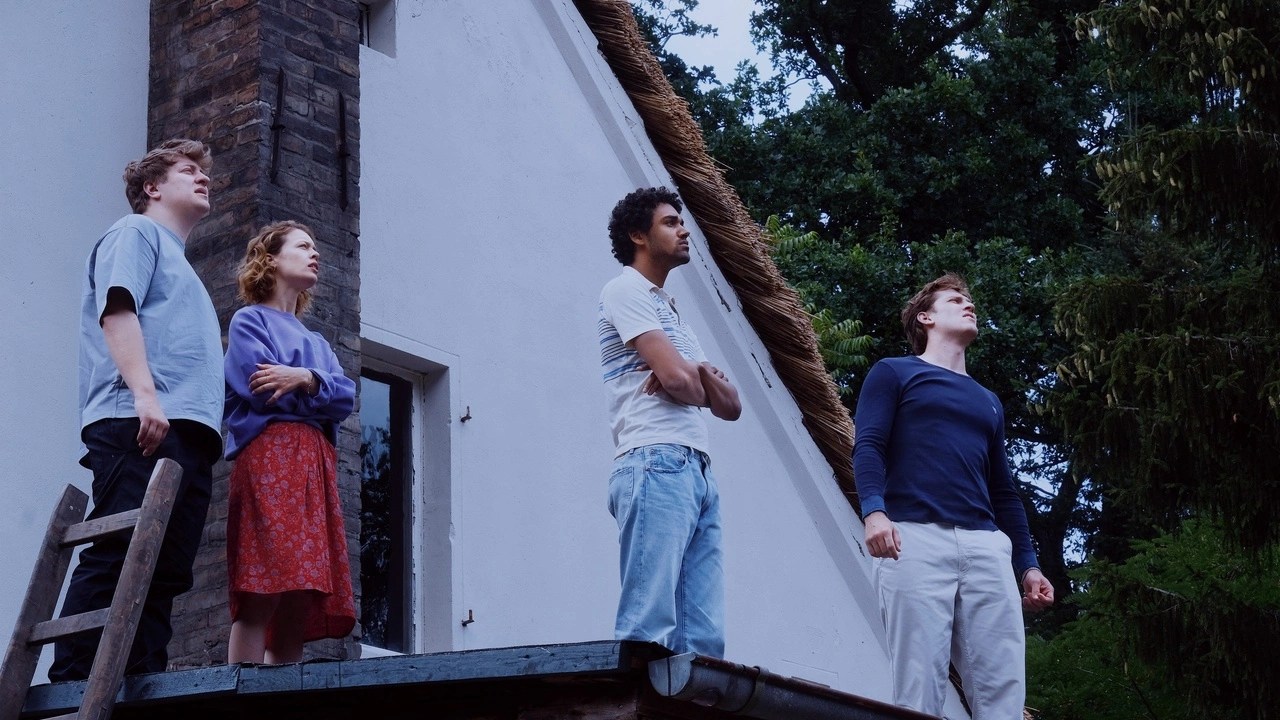
This Berlinale gem has a subject fit for both comedy and tension: an uptight sad-sack who gets needled by the happiness and positive energy of the people around him, all while a forest fire looms over their vacation paradise. It’s the sort of thing that Joseph Losey or Roman Polanski might have tackled 60 years ago, almost certainly with a more vivid visual style. But their films would be dark or bitter, and Petzold is after something warmer: the idea that to create good art, you have to observe the world, and if you do, how could you not find much to love? In that sense, ride along, and make peace with the giant third act tone shifts. Embracing melodrama and unreality could be a way of life.

9. Showing Up (Kelly Reichardt, US)
Kelly Reichardt’s previous film, the revisionist western First Cow, was one of the most acclaimed films of 2020, though I personally found it to be a rather flavorless kind of nutrition. But her new film, a comedy about middle-aged artists, is lived-in and unaffected in ways First Cow wasn’t—and in the end, it may be just as much of a western itself. Isn’t this what the genre was always about? Those makeshift communities forged west of the Mississippi? And how our “freedom to be free” ethos is both a point of pride and a crushing burden? As a study of all-American pressures, even for those who shun the rat race as much as humanly possible, it goes from mundane to droll to moving. And it evokes the golden age of Sundance: those observant spotlights on regions, geographic and psychological, that Hollywood never noticed.

8. Trenque Lauquen (Laura Citarella, Argentina)
The few, the brave, the 50 or so people who showed up to the Aero on a Saturday night for a 4-hour arthouse heavyweight. Evoking Antonioni (existential disappearance), Rivette (cryptic conspiracy), Lynch (the paranormal secrets of a small town), and Ruiz (fantastical shaggy-dog labyrinths), this sprawling thriller about a missing woman is the sort of film where each explanation sprouts another mystery. It’s worth the lift, right down to the way its structural freedom offers two natural endpoints. It all depends on if you think cinema’s trope of disappearing women, from Picnic at Hanging Rock to The Vanishing, is transcendent or earthly.

7. Fallen Leaves (Aki Kaurismaki, Finland)
“Fallen leaves” have nothing left to do but wither and get swept away, and that’s the metaphor for Kaurismaki’s middle-aged lonely-hearts. It’s a stark comic vision of 2023—an arid land where no seed can grow—and one running joke is how its inhabitants are so burnt-out that they have no energy for wit or niceties: they just announce their feelings as tersely and antisocially as possible. You can see its destination coming: a tentative love affair bringing cause for hope. But it still snuck up on me how euphoric it is in the end. And how it uses cinema itself as a north star without turning its back on the outside world.

6. May December (Todd Haynes, US)
“Deeply uncomfortable!” trumpeted the trailer, backed into a corner trying to market a film that’s premised on a huge transgression but aspires to fascinate or even, dare they say it…entertain? So to start, you get a study of how Hollywood perversity feeds on the perversity of Anytown, USA. Then you get a question: to what end? The words “understand” and “truth” keep coming up, but as you wonder if this cold war between divas will escalate into Baby Jane territory, its moral disorientation (uncomfortable indeed) suggests art is just taboos with guard rails, and show-biz is less suited to “truth” than surfaces. Final coup: disavowing tidy explanations for what’s underneath.
5. Do Not Expect Too Much From the End of the World (Radu Jude, Romania)
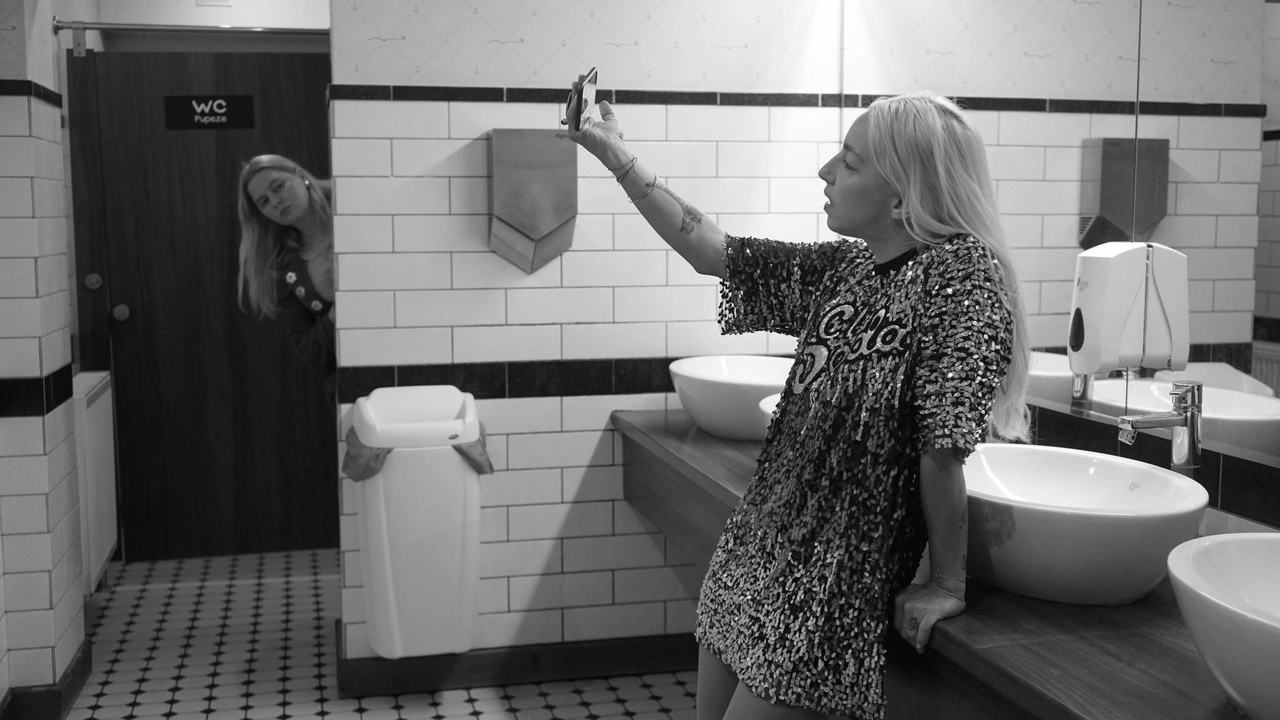
To call something “Godardian” nowadays risks making it sound like a throwback to 1960s chic. But Radu Jude proves himself Godardian in the purest, most adventurous and forward-looking sense. Full of mile-markers of our foul era (the war in Ukraine, Viktor Orban, COVID, Andrew Tate, a red-pilled Elon Musk, the assisted suicide of Godard himself), no film this year better probed the question of how cinema should meet the moment—or if that whole high-minded idea deserves the jaded side-eye of a gig worker who knows what not to expect. Unapologetically rooted in Romanian pride and shame, its satire should resonate with anyone who thinks that the “-isms” hanging over our fates—authoritarianism, capitalism, nihilism—are currently much dumber than we remember from history class.

4. Asteroid City (Wes Anderson, US)
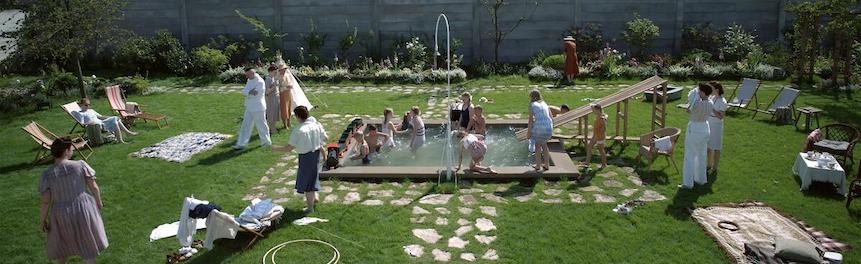
With time, it’s become clear that Wes Anderson’s films have gotten more and more like Max Fisher’s plays from Rushmore: hermetic hand-crafted maximalism that induces incredulous laughter, but stays whimsically distanced from its nominal setting. Thus Anderson can place a movie in 1930s Eastern Europe or 1960s France much like how Fischer wrote a play about the Vietnam War—i.e., without suggesting that either one of them (Wes or Max) has or needs meaningful experience on the subject. This has led skeptics to see Anderson as a nostalgic stylist, an overgrown kid with little to say and less that you can feel. But then you must note the role that those plays had in Max Fisher’s life—the way he used playwriting to address his problems—and metaphorical possibilities open up. So it’s significant that framing devices have gotten more prominent in Anderson’s films. And here, such games enrich what may be his most successfully grand-scaled film. Look close, and he’s far from repeating himself. This is his COVID movie, his parenthood movie, and his movie about why his movies are the way they are. And it contains his most salient critique of contemporary America, despite, in a literal sense, venturing nowhere near it.
3. Oppenheimer (Christopher Nolan, US/UK)
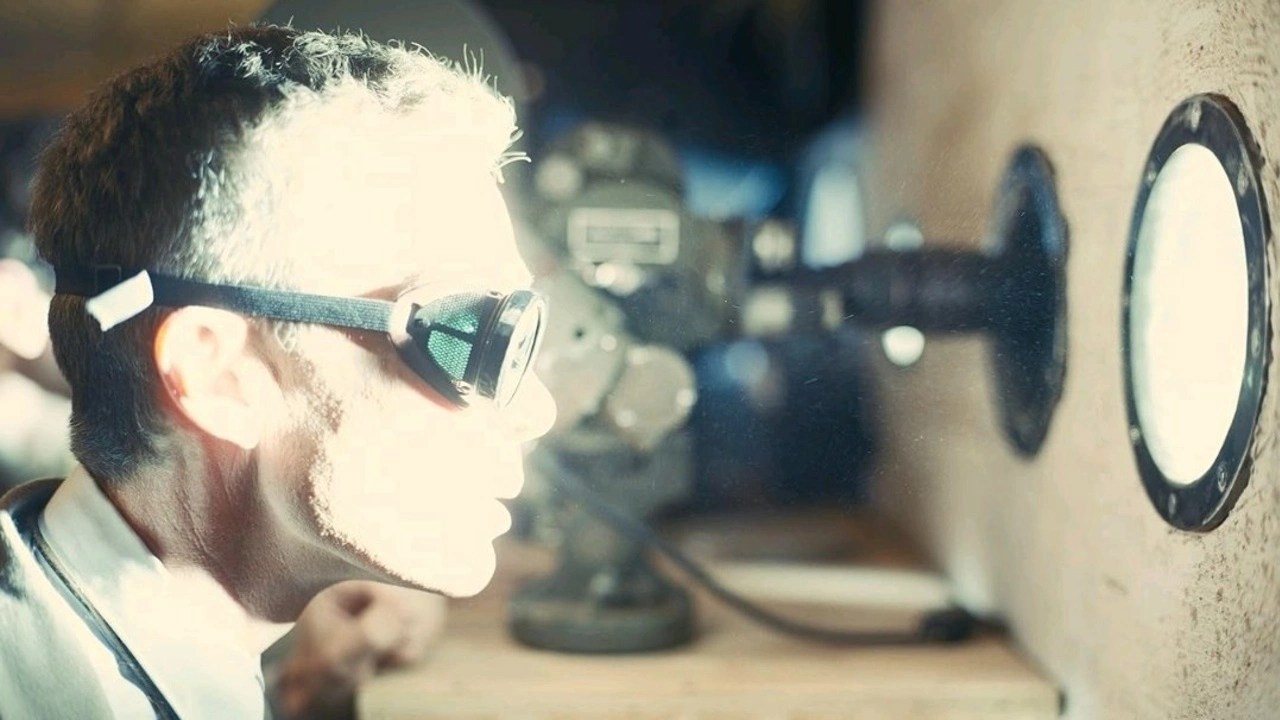
Perhaps Nolan’s magnum opus. Which is not to say it’s his most unflawed film, but that future generations pressed for time will be able to judge his legit claims to being a major film artist—and his limitations as a writer—in one unified package. So to start, give the skeptics their due. The language Nolan speaks is fluent tentpole, with all the hand-holding and incongruous comic asides it entails. He can’t transport you to another era as convincingly via dialogue and performance as he does via soundscapes and pictures. The opposite sex still eludes him, and Oppenheimer is now the frontrunner for the most embarrassing sex scene of the 2020s. But he has a purposeful embrace of contradiction that’s rare and welcome in the multiplex, and far more thoughtful than the hits that Steven Spielberg and Oliver Stone scored with such material. And he’s accumulated a mastery of atmosphere and momentum along the way. Oppenheimer‘s visual and narrative rush functions as overload without tipping into incoherence, and the non-linear structure moves from gimmickry to a genuine distrust of resolution—a way to put victories and defeats side by side, without offering the release of either. A real triumph of blockbuster filmmaking.

2. The Zone of Interest (Jonathan Glazer, UK/Poland)
Material like this calls for a filmmaker to be a thinker as well as a technocrat, and since Glazer’s skill as the latter was never in doubt, I went in curious about the former and came out floored by what he did with it. It may not have much new to say about the atrocity in question (a tall order), but it has plenty to say about the representation of such atrocities in 2023, and the “safe” abstractions provided by space and time. With de-familiarization as its method, it’s the rare “Holocaust drama” that aspires to be as unresolved and present-tense as the most ambitious Holocaust documentaries. As pure experiential cinema, it’s chilling and hypnotic, a dry heave of a horror show. And intellectually, its coda is far from tidy. One possible implication: we only ever rescue the past.

1. Killers of the Flower Moon (Martin Scorsese, US)
Scorsese’s latest is an outstanding saga of American schizophrenia: religious values and abject greed, the contextualizing of westerns as essentially murder stories, and DiCaprio in full stammer mode as a man too dumb/callow to tell if he loves a woman or wants to kill her for her property. Lily Gladstone is as good as they say, and in a theater Robbie Robertson’s music adds to the vibe of a waking nightmare, where even the sunniest scenes have a cloud of terrorization. As Apple ate the cost of a bold theatrical push, there was a lot of foofaraw about its runtime. Personally, I support bringing back intermissions—why half-ass it? throw in overtures too—but I’m honestly not sure where you would put one in Killers of the Flower Moon without breaking that spell. As for its ending, does it land as humility or presumptuousness? It’s a debate worth having, especially because the film welcomes it. But when Scorsese throws on a present-day non-fiction coda, as so many social issue Oscar-season dramas tend to do, it doesn’t tie the film is neat little bow. In fact, just the opposite.
*****
The Honor Roll: 14 more films that made movie-going worthwhile this year:
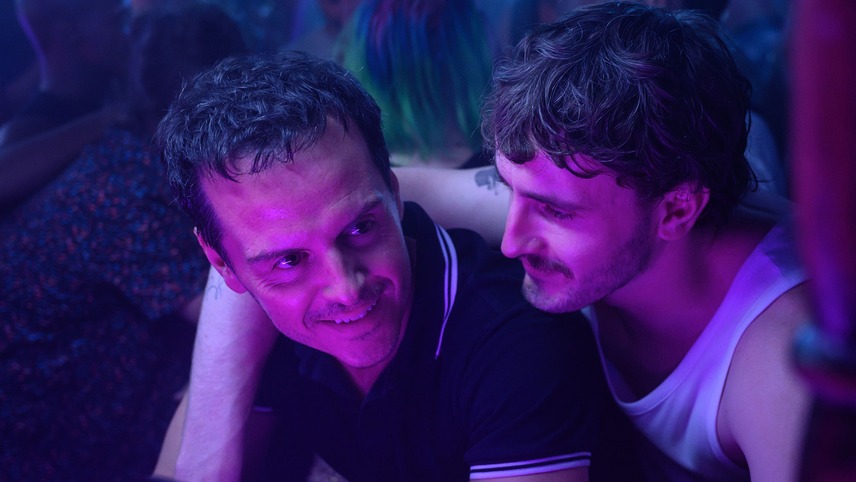
All of Us Strangers (Andrew Haigh, UK)
Anatomy of a Fall (Justine Triet, France)
Barbie (Greta Gerwig, US)
Close Your Eyes (Victor Erice, Spain)
Ferrari (Michael Mann, US)
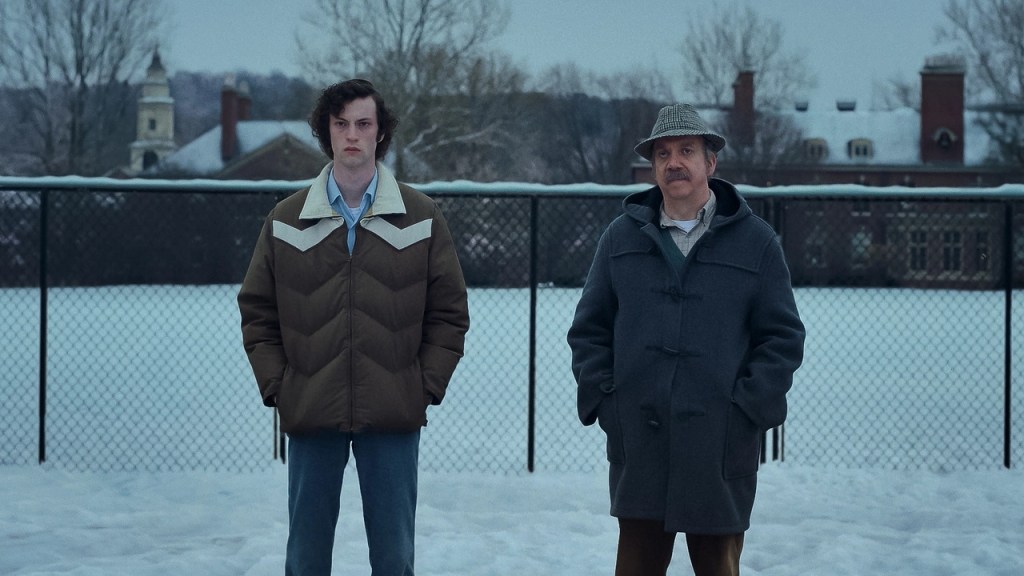
The Holdovers (Alexander Payne, US)
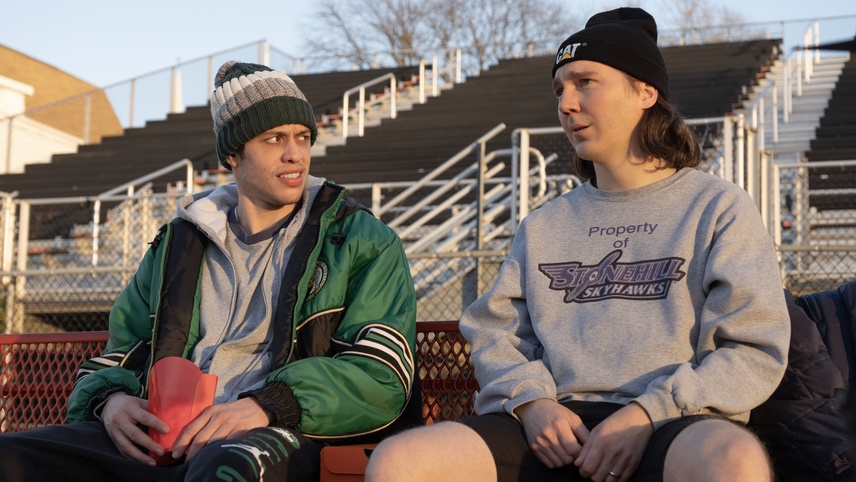
The Killer (David Fincher, US)
Monster (Hirokazu Koreeda, Japan)
Poor Things (Yorgos Lanthimos, US/UK/Ireland)
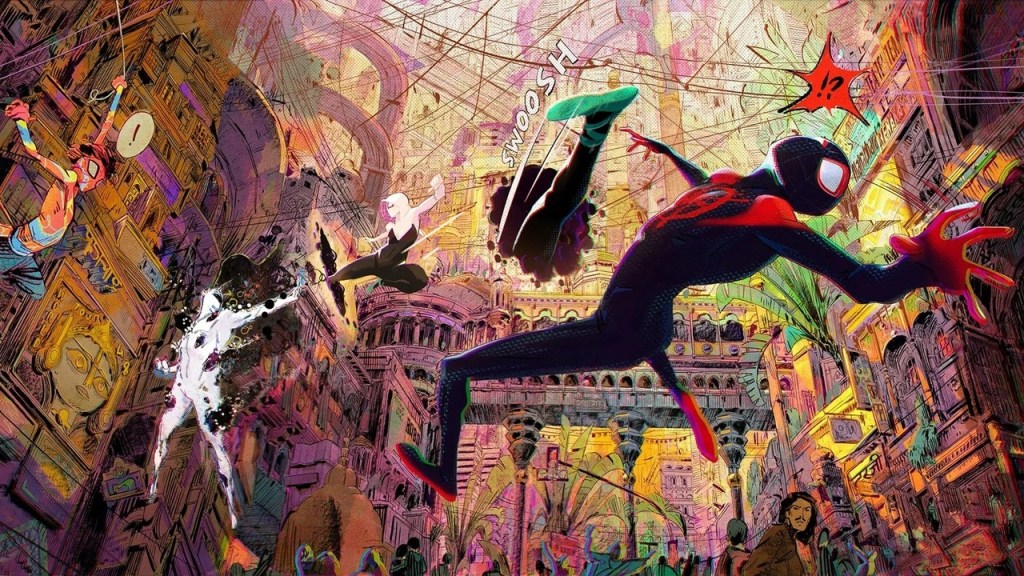
Spider-Man: Across the Spider-verse (Joaquim Dos Santos, Kemp Powers & Justin K. Thompson, US)
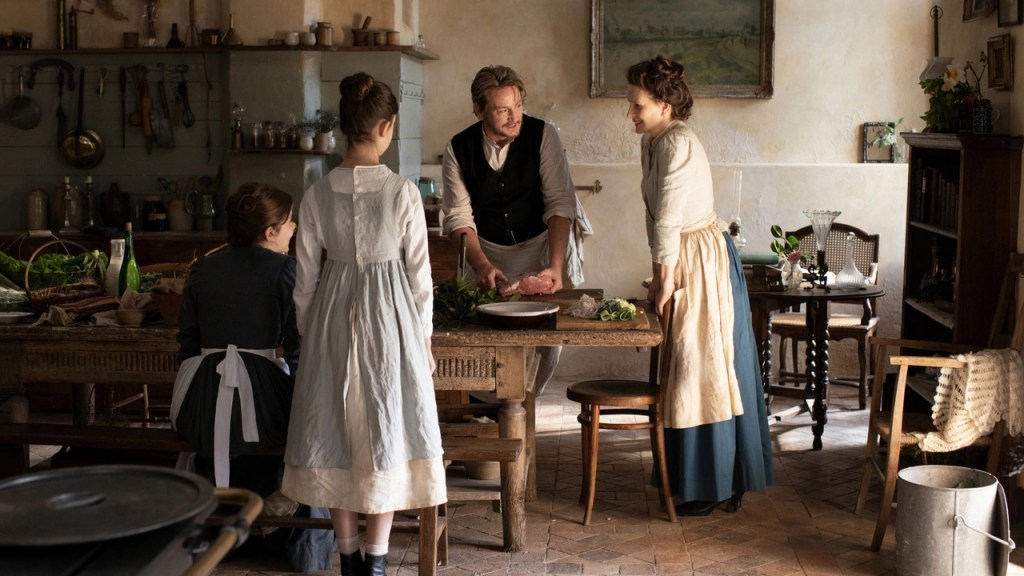
The Taste of Things (Trần Anh Hùng, France)
Unrest (Cyril Schäublin, Switzerland)
The Wonderful Story of Henry Sugar (Wes Anderson, US)
Youth (Spring) (Wang Bing, China/France)

 The Perpetual Present